
3K–10K
White-Label Blockchain Consultation
1–3 weeks





















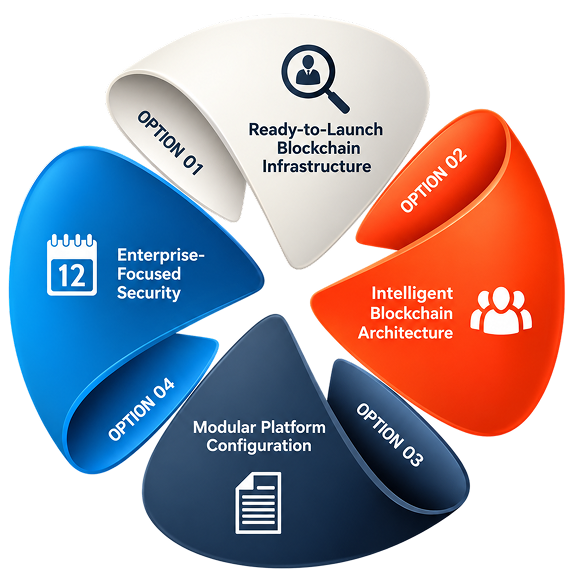
At ChicMic Studios, we combine blockchain engineering with application development to create branded platforms around specific business models, user requirements, technical environments, and operational needs.
A white-label approach can significantly reduce the development effort required compared with building a blockchain product entirely from scratch. Pre-existing infrastructure and modular functionality can help businesses move from concept toward deployment in a shorter timeframe.
Configure the platform around your brand identity, including logos, colors, domains, interfaces, and other customer-facing elements so the final product aligns with your broader digital ecosystem.
Support multiple blockchain networks through a unified infrastructure approach. Depending on the product requirements, platforms can integrate networks such as Ethereum, BNB Smart Chain, Polygon, Solana, and other relevant blockchain ecosystems.
Choose the functionality required for the platform instead of developing every feature independently. Modules can include trading, wallet functionality, swaps, staking, tokenization, NFTs, compliance workflows, analytics, and administrative tools.
Design the platform for increasing users, transactions, assets, and operational requirements. Cloud-oriented infrastructure, appropriate architecture, monitoring, and optimization can support the platform as usage grows.
Blockchain products require continuous technical attention as networks evolve, integrations change, vulnerabilities are identified, and business requirements develop. Ongoing support can include security updates, network upgrades, infrastructure maintenance, and feature enhancements.
White-label blockchain infrastructure allows businesses to introduce blockchain-based products without taking on every element of protocol engineering, application development, infrastructure management, and security engineering internally.

ChicMic Studios develops white-label blockchain platforms across exchanges, wallets, tokenization, NFTs, DeFi, payments, gaming, custody, and other digital-asset use case
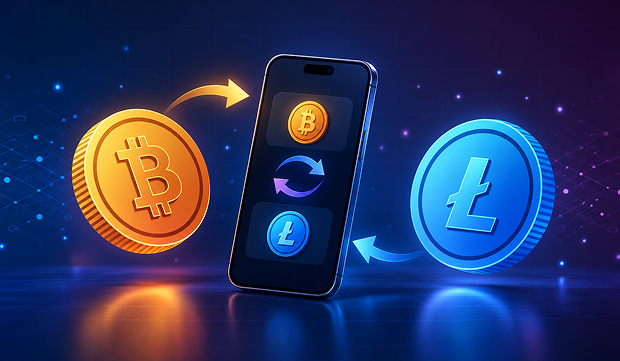
Launch a branded centralized, decentralized, or hybrid cryptocurrency exchange with functionality such as order matching, liquidity integration, trading workflows, wallet management, and configurable compliance capabilities.

Develop branded decentralized or hybrid trading platforms using architectures such as automated market makers, order books, or combinations of decentralized and centralized functionality.

Offer a branded non-custodial wallet with multi-chain functionality, in-app swaps, NFT support, and dApp access. Wallet infrastructure can be designed around the networks and assets required by the product.

Deploy institutional-oriented digital-asset custody infrastructure using approaches such as multi-party computation or multi-signature security, together with hot and cold wallet orchestration and transaction records.

Create platforms for issuing and managing tokenized assets such as real estate, securities, commodities, and other digital representations of assets, with functionality for investor onboarding, reporting, and asset administration.

Develop infrastructure for tokenizing real-world assets such as real estate, private equity, debt, commodities, and funds. The platform can incorporate investor onboarding, asset-management workflows, compliance controls, and other requirements relevant to regulated assets.

Build stablecoin infrastructure with capabilities such as reserve management, attestation workflows, issuance and redemption processes, and multi-chain deployment for currency-backed or commodity-backed digital assets.

Launch branded decentralized finance applications supporting use cases such as lending, staking, liquidity provision, and yield-oriented products, with smart contract security and appropriate infrastructure considerations.

Create branded token launchpad infrastructure for IDOs, IEOs, private sales, and other token distribution models, with functionality such as tiered access, vesting, whitelist management, and liquidity locking.

Build branded NFT marketplaces with functionality for minting, listing, trading, royalty distribution, creator management, and digital-asset discovery.

Develop blockchain gaming and metaverse infrastructure supporting player-owned economies, NFT assets, in-game currencies, digital ownership, and high-volume blockchain transactions.

Integrate cryptocurrency payment processing into existing checkout and settlement systems, enabling businesses to incorporate digital-asset payment functionality into their broader payment infrastructure.

Production blockchain platforms require more than a branded interface. They need blockchain integrations, application architecture, smart contracts, data systems, security controls, compliance workflows, and operational infrastructure working together.
Design infrastructure that can interact with multiple blockchain networks through a unified application experience. Supported ecosystems can include Ethereum, BNB Smart Chain, Polygon, Solana, and other networks according to project requirements.
Implement wallet functionality for asset storage, transfers, swaps, transaction management, and multi-chain operations. Depending on the product, wallet architecture can support non-custodial, custodial, MPC, or multi-signature approaches.
Develop or integrate smart contracts required for tokenization, DeFi, NFTs, staking, transfers, and other blockchain functionality. Security reviews and appropriate auditing can be incorporated into the development process.
Connect applications to blockchain nodes and RPC for transaction, data, and monitoring support, while connecting exchanges to liquidity providers and DEX pools for trading and pricing.
Implement configurable compliance functionality such as KYC/AML workflows, sanctions screening, transaction monitoring, wallet risk assessment, transfer controls, and reporting based on the product and applicable jurisdiction.
Use APIs and SDKs to connect blockchain functionality with existing applications, payment providers, banking systems, CRM platforms, enterprise software, and third-party services.
Our white-label blockchain development services cover the product lifecycle from initial discovery and platform configuration through development, integration, deployment, maintenance, and optimization.
White-label blockchain infrastructure can support businesses across financial services, fintech, digital assets, gaming, tokenization, DeFi, and traditional enterprise use cases.

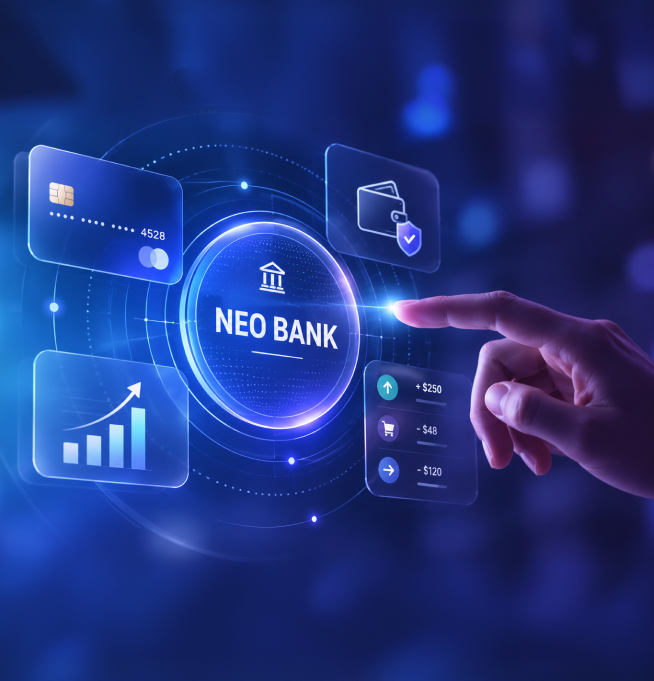




We organize blockchain projects around structured development stages so businesses can define requirements, configure the platform, validate functionality, and prepare the product for production.
We begin by understanding the product vision, target users, business model, feature requirements, supported networks, integrations, compliance considerations, and deployment environment.
The selected white-label platform is configured around the product's requirements. Branding elements such as logos, colors, domains, interface components, and selected modules are incorporated into the platform.

We customize interfaces, workflows, business logic, and functionality while connecting the platform with payment providers, banking systems, liquidity providers, enterprise software, APIs, and other required services.

Security controls, identity verification, KYC/AML workflows, transaction monitoring, transfer restrictions, and other compliance capabilities are configured according to the project's requirements. The platform then undergoes functional, performance, integration, and security testing, with smart contract reviews and third-party audits incorporated where required.
The configured platform is deployed into its intended production environment. Existing data can be migrated where required, with launch support provided to help identify and address early operational issues.
Post-launch support can include security updates, blockchain network upgrades, infrastructure maintenance, performance optimization, feature enhancements, and ongoing technical improvements.

Our development approach can accommodate blockchain ecosystems including Ethereum, BNB Smart Chain, Polygon, Solana, and other networks according to the application's requirements and technical architecture.
Security considerations are incorporated across architecture, smart contracts, wallet infrastructure, APIs, application logic, authentication, transaction controls, testing, and deployment.
We configure blockchain infrastructure around a company's branding, workflows, user experience, feature requirements, and business model rather than delivering a generic platform interface.
Our approach can combine frontend interfaces, backend systems, APIs, databases, blockchain integrations, smart contracts, wallet infrastructure, administrative systems, and supporting cloud infrastructure.
Blockchain functionality can be connected to existing business applications, payment systems, financial infrastructure, CRM platforms, ERP systems, liquidity providers, and other third-party services.
Our engagement can cover discovery, architecture, UI/UX, blockchain development, platform configuration, integrations, testing, security, deployment, monitoring, maintenance, and future enhancements.
The cost of developing a white-label blockchain platform depends on the type of product, supported networks, feature requirements, customization, integrations, security requirements, compliance needs, deployment model, and ongoing infrastructure.


3K–10K
1–3 weeks
10K–30K
3–6 weeks
25K–60K
6–12 weeks
50K–120K
12–20 weeks
100K–250K+
16–28+ weeks
200K–500K+
24–40+ weeks
Choosing between white-label blockchain infrastructure and a completely custom blockchain product involves trade-offs in deployment speed, cost, customization, ownership, vendor dependency, maintenance, and roadmap control.
| Factor | White-Label Blockchain Platform | Custom Blockchain Development |
|---|---|---|
| Time to Market | Existing infrastructure can accelerate deployment | Requires architecture, development, testing, and deployment from the beginning |
| Initial Cost | Generally lower initial development investment | Typically requires greater upfront engineering investment |
| Customization | Depends on available modules and provider capabilities | Greater control over architecture and functionality |
| IP & Ownership | Governed by the platform licensing agreement | Governed by the development and IP agreement |
| Vendor Dependency | May depend on the provider for selected infrastructure and updates | Greater control when the organization owns and manages the complete stack |
| Hidden Costs | Licensing, subscriptions, integrations, and revenue-sharing arrangements may apply | Engineering, infrastructure, security, and maintenance costs continue after launch |
| Roadmap Control | Some platform capabilities may depend on the provider's roadmap | Product team has greater direct control over development priorities |
| Maintenance | Provider may handle some infrastructure and platform updates | Customer or development partner manages ongoing maintenance |
Ready to create an impact?
The cost of development depends on the scope of the solution, the readiness of the data, the requirements for.

A white-label blockchain solution is a ready-made blockchain platform that can be customized and launched under another company’s brand. Depending on the provider and product, it can include exchanges, wallets, DeFi applications, tokenization platforms, NFT marketplaces, payment systems, custody solutions, and other blockchain products.
The process generally begins with requirements and platform selection, followed by branding, configuration, customization, integrations, security and compliance setup, testing, deployment, and ongoing maintenance.
White-label development starts with existing infrastructure that can be configured and customized, while custom development creates the technology stack specifically for the project. White-label solutions can accelerate deployment, whereas custom development can provide greater control over architecture and functionality.
Cost depends on the platform type, supported blockchain networks, customization, integrations, security, compliance, infrastructure, and project scope. A focused white-label MVP requires a different investment from an enterprise exchange, custody platform, or multi-chain ecosystem.
Deployment timelines vary according to the product, customization, integrations, supported networks, security requirements, and compliance scope. Because the core infrastructure already exists, white-label solutions can generally be deployed faster than comparable products developed entirely from scratch.
Depending on the platform architecture and project requirements, blockchain integrations can include Ethereum, BNB Smart Chain, Polygon, Solana, and other networks. Multi-chain functionality can be designed around the assets, transactions, wallets, and user workflows required by the product.
White-label platforms can typically be customized across branding, interfaces, workflows, selected modules, integrations, and business functionality. The exact level of customization depends on the underlying platform architecture and licensing arrangement.
Security depends on the underlying architecture, implementation, infrastructure, smart contracts, wallet design, integrations, operational controls, and maintenance practices. Security measures can include penetration testing, smart contract audits, access controls, transaction monitoring, infrastructure hardening, and ongoing security updates.
Depending on the product, features can include multi-chain wallets, trading, liquidity integration, swaps, staking, tokenization, NFTs, custody, KYC/AML workflows, transaction monitoring, analytics, administration, payment processing, and other modular functionality.
Yes. API-first architecture can enable integrations with payment providers, core banking systems, CRM platforms, ERP systems, databases, liquidity providers, internal applications, and other third-party services.
Yes. Post-launch support can include security updates, blockchain network upgrades, infrastructure maintenance, performance optimization, feature enhancements centralized, decentralized, or hybrid, integration updates, and technical support.
Yes. White-label exchange infrastructure can be configured for centralized, decentralized, or hybrid exchange models with functionality such as liquidity integration, order matching, wallet management, trading, administration, analytics, and compliance workflows.
Yes. Branded wallet solutions can support multiple blockchain networks, asset management, swaps, NFT functionality, dApp access, transaction management, and other wallet features depending on the product requirements.
Yes. Tokenization infrastructure can support real estate, securities, commodities, private equity, debt, funds, and other real-world assets, with features such as token issuance, investor onboarding, transfer controls, reporting, and secondary-market functionality where appropriate.
Yes. Stablecoin infrastructure can include issuance and redemption workflows, reserve management, attestations, transaction monitoring, multi-chain deployment, and configurable controls based on the issuer’s business and regulatory requirements.
Yes. White-label DeFi platforms can support products such as lending, staking, liquidity provision, and other decentralized financial functionality, with smart contract development, security review, and infrastructure designed around the selected use case.
Depending on jurisdiction and product requirements, platforms can incorporate KYC/AML, sanctions screening, PEP screening, transaction monitoring, wallet-risk assessment, Travel Rule workflows, transfer restrictions, investor whitelisting, regulatory reporting, and audit trails.
They can be designed to incorporate technical controls relevant to regulated assets, including investor eligibility, identity-linked wallets, transfer restrictions, lockups, whitelist registries, and policy controls. Regulatory applicability depends on the asset, business model, jurisdiction, and legal structure.
Post-launch activities can include infrastructure monitoring, security updates, blockchain network upgrades, performance optimization, integration maintenance, feature development, compliance workflow updates, and technical support.
White-label blockchain infrastructure can be used by cryptocurrency exchanges, fintech companies, neobanks, token issuers, RWA platforms, gaming companies, DeFi teams, enterprises, payment businesses, and organizations exploring blockchain-based products.
2026 © Copyright ChicMic Studios | Privacy Policy | Disclaimer